
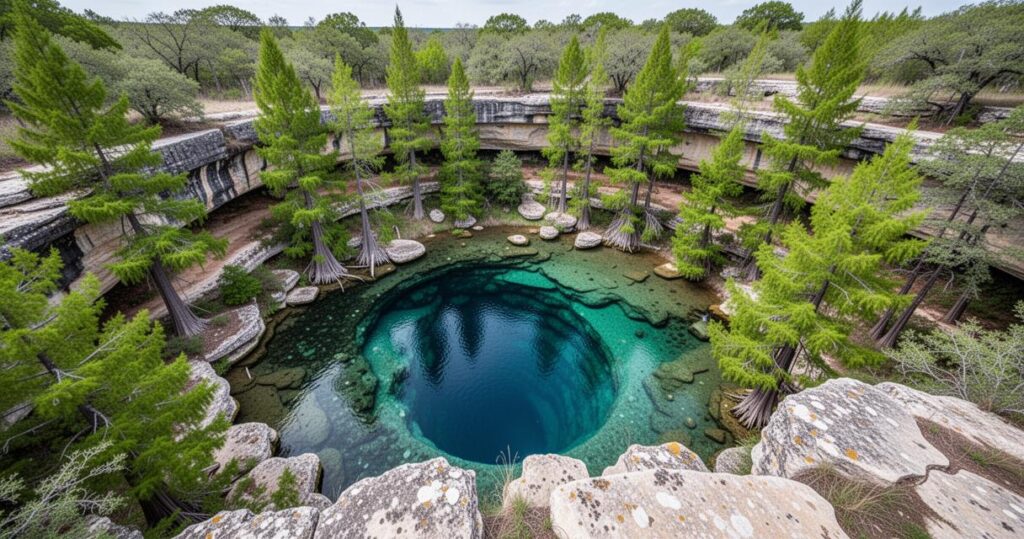
Tucked away in the heart of the Texas Hill Country, a natural wonder has long captivated the imagination of adventurers, scientists, and storytellers alike. Jacob’s Well is not merely a hole in the ground filled with water, it is a portal to another world, a place where geology, folklore, and human curiosity converge in remarkable fashion. Its discovery and enduring fame have left a profound cultural mark not only across the United States but across the globe.
In short
- Jacob’s Well is an artesian spring in Texas featuring an extensive, deep network of submerged limestone caves that fascinate scientists and divers alike.
- The site plays a crucial role in the local ecosystem by acting as a vital water source for the Cypress Creek watershed and its surrounding habitats.
- Named by early settlers with biblical resonance, the well has become a symbolic landmark representing the spirit of the American frontier and the human desire for discovery.
- International media coverage has transformed the site into a global emblem of untamed American nature, attracting travelers from across the world.
- The location serves as a modern destination for young adventurers seeking authentic, raw experiences away from the influence of digital culture.
- The increasing popularity of Jacob’s Well has sparked important debates regarding environmental stewardship, land use, and the responsibility of preserving natural wonders for future generations.
Unveiling the Hidden Wonders of Hays County
Exploring the Natural Depth and Surface Beauty of the Artesian Spring
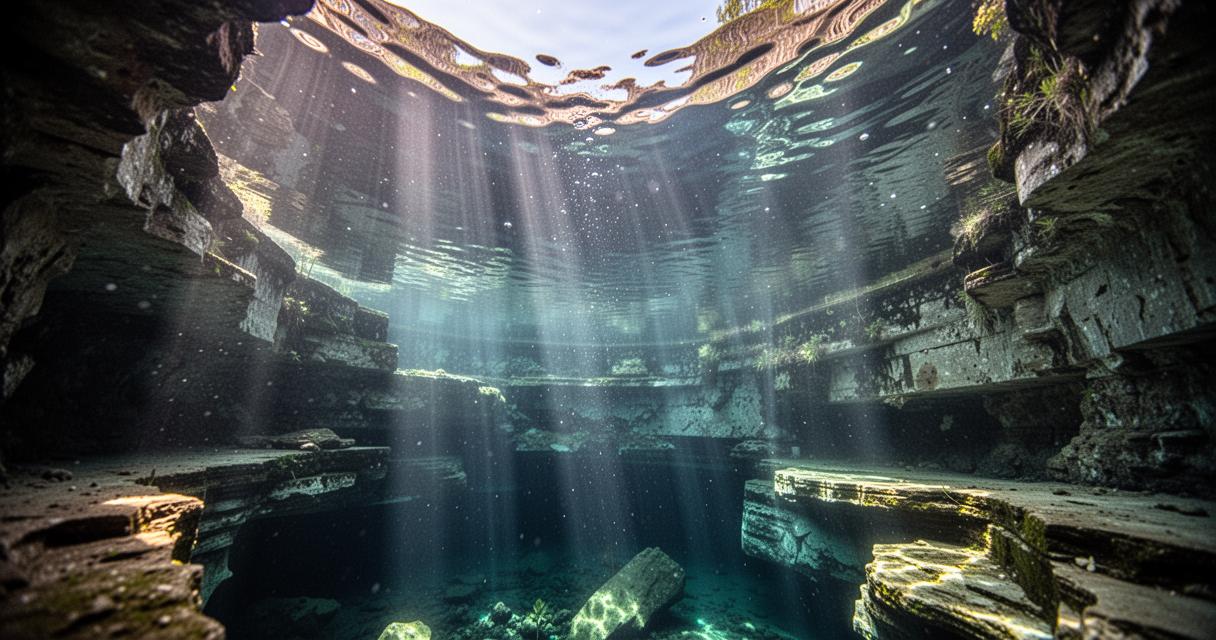
Nestled within Hays County, this extraordinary artesian spring draws visitors from every corner of the world, each one eager to witness what lies beneath the serene surface. The well opens into a submerged cave system of considerable depth, plunging downward through layers of ancient limestone carved by millennia of flowing water. The diameter of its circular opening is deceptively modest, yet what extends below defies all expectation, a labyrinthine network of underwater chambers that has fascinated geologists and divers for generations.
At surface level, the spring appears almost otherworldly in its clarity, its turquoise waters shimmering beneath the Texan sun. The bottom of the visible chamber gives way to further passages, creating a sense of infinite mystery. Every metre of depth reveals new geological formations, and the interplay of light through the water column produces an effect that many describe as nothing short of magical. It is, without question, one of the most visually striking natural features in the entire state of Texas.
Understanding the Ecological Significance for the Local Area
Beyond its visual splendour, Jacob’s Well serves as a vital source of fresh water for the surrounding ecosystem. As a natural spring, it feeds the Cypress Creek watershed, sustaining plant and animal life across a wide expanse of Hays County. The ecological role of such an artesian system cannot be overstated, it represents a delicate balance between the underground aquifer and the living landscape above. Environmental groups and conservationists have long recognised that protecting this well means protecting an entire web of interdependent species and habitats.
The data gathered by researchers over the years paints a picture of an ecosystem under pressure from urban development and prolonged drought. Yet the spring continues to flow, a testament to the resilience of the natural world. Local organisations have worked tirelessly to preserve the surrounding land, ensuring that the well remains a functioning ecological cornerstone rather than a mere tourist spectacle.
A Journey to the Heart of Texan Folklore and Local Heritage
How the Historic Site Inspires Travel and Desire Across the Globe
The name Jacob’s Well carries unmistakable resonance. It evokes the Bible, ancient journeys, and the timeless human desire for discovery. This biblical echo is no accident, the site was named by early settlers who saw in its abundant waters a reflection of the sacred well described in scripture, a source of sustenance and spiritual meaning. That layering of cultural reference has given the site a symbolic weight that extends far beyond its geography in Texas.
In recent years, the story of Jacob’s Well has reached audiences well beyond American shores. Publications from Paris to the wider world have featured the site as an emblem of wild, untamed America. Even Le Figaro, the celebrated French newspaper, has touched upon the allure of such natural landmarks in the context of adventure travel. The concept of France and other European nations sending curious travellers across the Atlantic in search of experiences like this speaks to a universal pull, the same desire that has always driven human beings to seek out the extraordinary. Indeed, the site’s reputation has made it a symbol of what genuine travel can offer: a direct encounter with nature in its most unmediated form.
The Symbolic Meaning of the Natural Source in American Culture
Within the broader tapestry of American identity, natural wonders hold a personal and collective significance that few other cultural artefacts can match. Jacob’s Well occupies a particular place in the Texan psyche, it is a symbol of the frontier spirit, of the joy of exploration, and of the land’s capacity to surprise. For the state of Texas, which has always prided itself on its larger-than-life character, a site of such geological and historical depth serves as a living emblem of that identity.
The well has inspired artists, writers, and filmmakers, each drawn to the potent combination of beauty and danger it embodies. Its influence on local culture is woven into community events, educational programmes, and the collective memory of those who grew up nearby. The joy it inspires is not merely recreational, it is deeply rooted in a sense of belonging to something ancient and enduring.
The Modern Attraction of Natural Wonders for Adventurous Travellers
Why Young Explorers Gather at this Remarkable Water Landmark
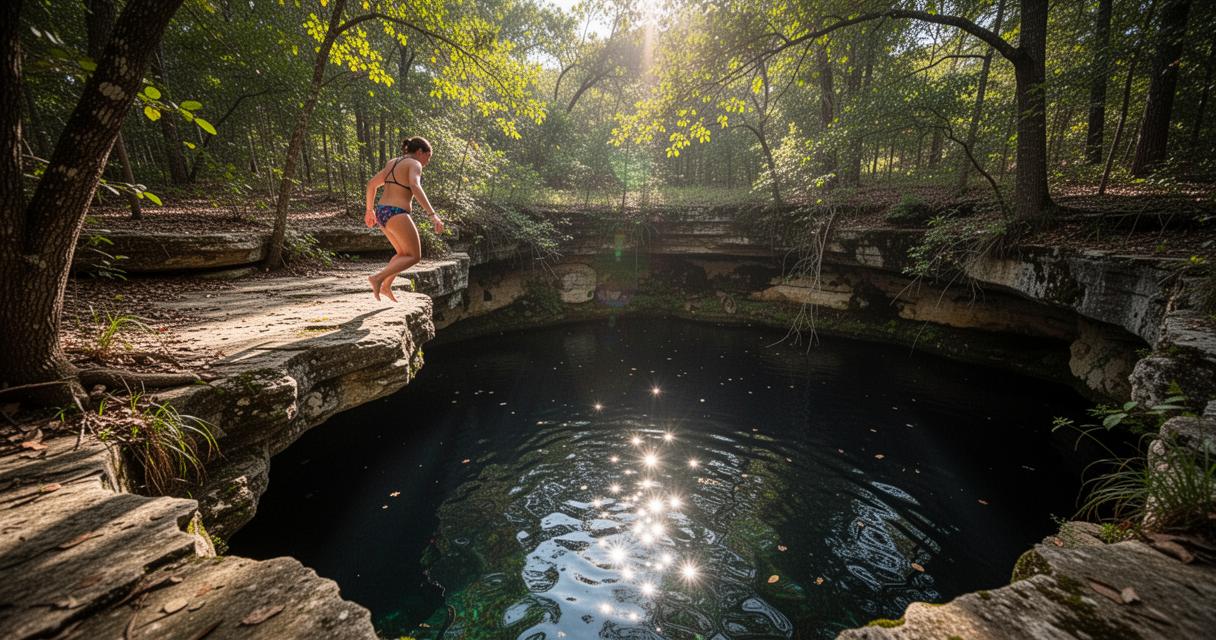
Today, Jacob’s Well draws a steady stream of young adventurers seeking an experience that screens and cities cannot provide. Young men and women from across the United States and beyond make the pilgrimage to Hays County, driven by a hunger for authentic encounter with the natural world. Social media has amplified its fame, introducing the site to entirely new groups and generations who might otherwise never have heard of a quiet spring in the Texas Hill Country.
The appeal is straightforward yet profound. In an era dominated by digital experience and curated entertainment, the raw physicality of diving into a well of crystal-clear water, surrounded by cypress trees and the sounds of the countryside, offers something irreplaceable. For the young man seeking challenge, the underwater passages represent a genuine frontier. For families and casual visitors, the shimmering surface and the surrounding natural park provide a gentler but no less memorable encounter with the landscape.
Preserving the World’s Unique Geological Places for Future Generations
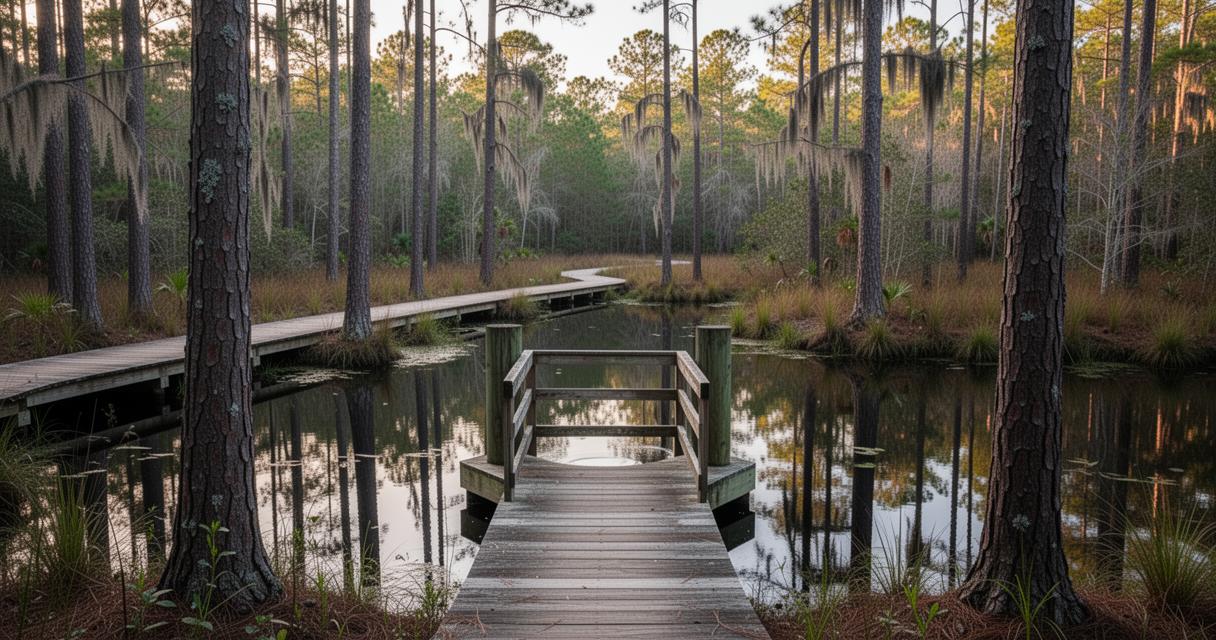
The cultural impact of Jacob’s Well ultimately rests on a question of stewardship. As millions of people across the states and beyond become aware of such natural landmarks, the responsibility to preserve them grows accordingly. The challenge facing Hays County and the wider conservation community is to manage travel and visitor groups without diminishing the very qualities that make the site so extraordinary.
There is a broader lesson here that resonates in politics, environmental policy, and public discourse. The story of Jacob’s Well illustrates how a single natural place can become a focal point for debates about land use, ecological protection, and the rights of future generations to inherit a living, breathing world. Whether one approaches it from a scientific, cultural, or spiritual perspective, this remarkable source in the heart of Texas speaks to something universal, the enduring human need to find wonder in the world, and to protect it for those who come after.